Ecchan #5

0 Comments | This entry was posted on Sep 05 2011
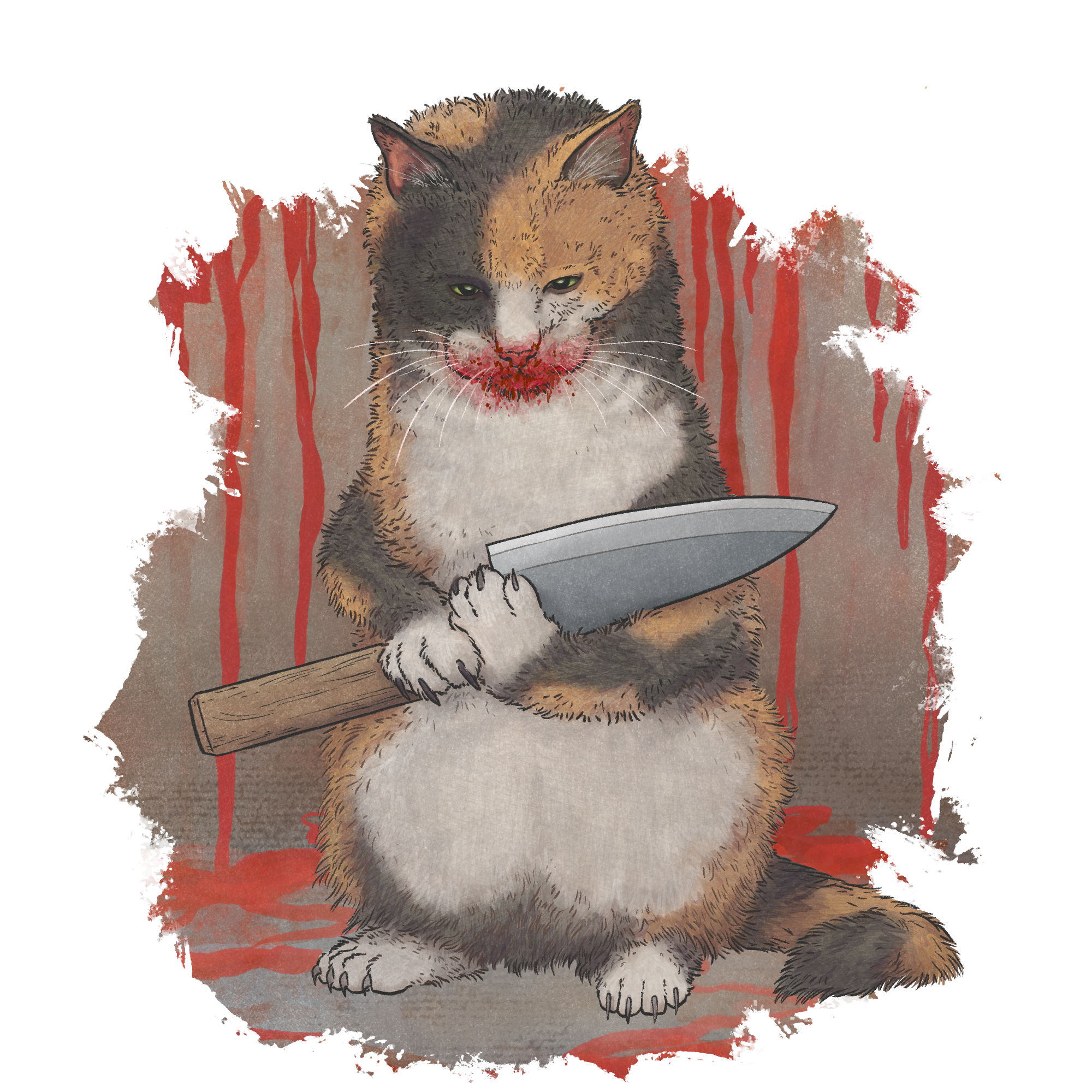
Matsuri Ecchan

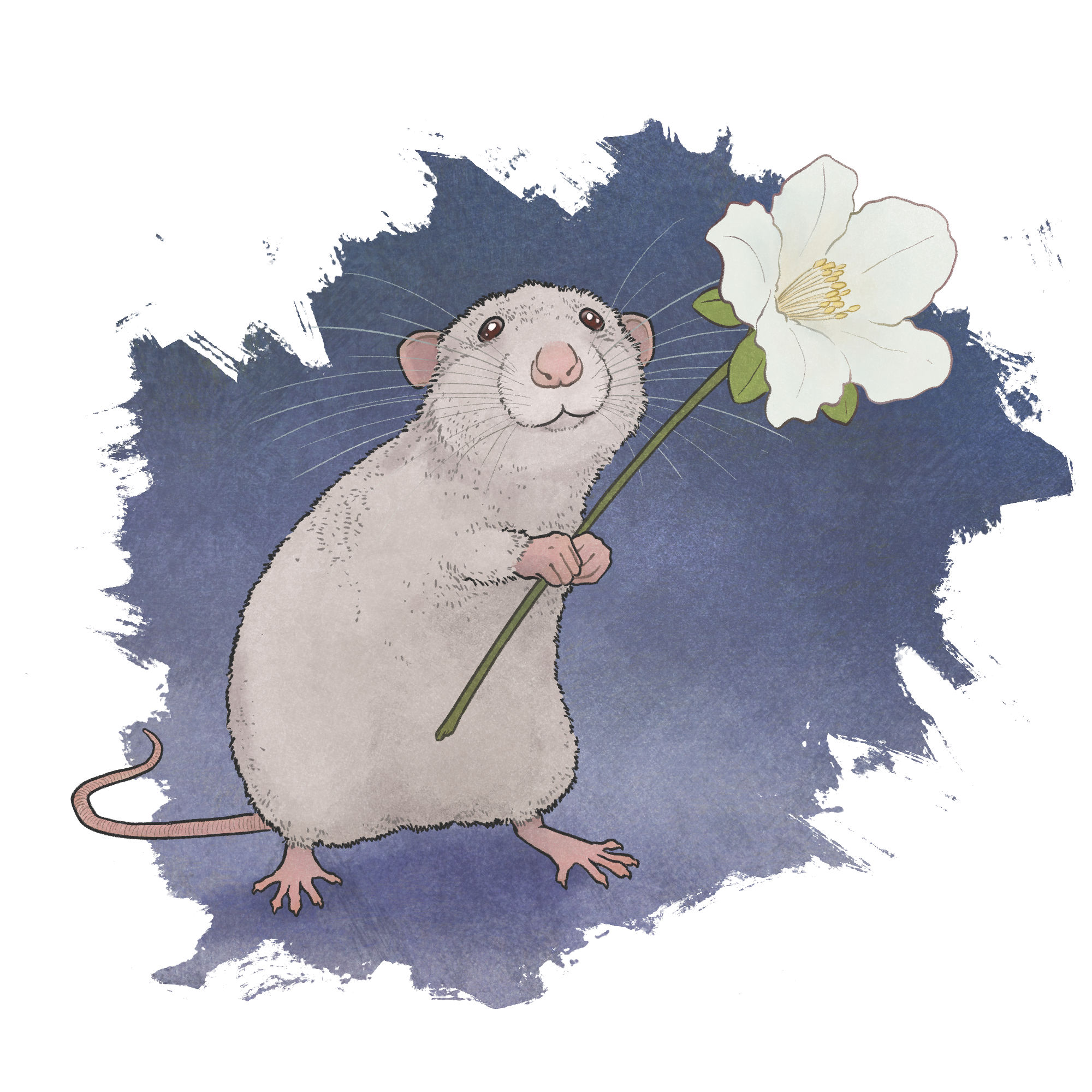
O-Bon Ecchan

August went by in a flash, but looking back on it feels like looking back on a whole year. I painted the August episode of Ecchan no Eco-na Hanashiin the end of July, but with the Kickstarter project taking up the whole of my attention I wasn’t able to find time to post it until now.

This month features a Bon-dancing, happi-clad Ecchan decked out for a summer festival, and the comic you see below. Enjoy! We’re continuing on the same theme of how to properly separate your garbage for disposal. This month’s topic: dangerous items!

It features the return of two previous characters: Frog and Monkey. Translation is as follows:

Panel 1: 燃やせないごみだけど、このまま捨てると危ないね。
This is unburnable garbage, but it’s too dangerous to just throw it out like this…
Panel 2: こうすればいいよ!包丁の刃には布やテープを巻いて・・・
Try this! Wrap the knife’s blade in cloth or tape…
Panel 3: 割れたものは紙や布に包んだら・・・
Wrap broken things in paper or cloth…
Panel 4: 透明の袋に入れて「燃やせないごみ」の日に出そう!危ないから「キケン」と書いてね!
Put them in a clear bag on your unburnable trash day. It’s dangerous, so write “KIKEN” on it!

Ecchan #5

Ecchan #5

Kickstarter Update

0 Comments | This entry was posted on Aug 04 2011

The Kickstarter project (link) is going strong! After only 3 days, we’ve already reached over 60% of the goal! If you haven’t joined up yet, remember, you can only sign up to be a backer until the end of this month, so don’t delay too long!

This week so far I’ve released a few new paintings to the backers of the project: the Jorougumo, the Tsuchigumo, and the Baku. Here’s a little preview of the art! If you are a backer of the project you can see the full image on the Kickstarter project page.

Thanks so much for all of your support so far! And if you haven’t decided to join yet, I hope you’ll do so!

Jorougumo (detail)

Jorougumo (detail)

Tsuchigumo (detail)

Tsuchigumo (detail)

Baku (detail)

Baku (detail)

Kickstarter Launch!

0 Comments | This entry was posted on Aug 01 2011

The day is finally here! My Kickstarter project for The Night Parade of One Hundred Demons is officially launched as of NOW! (click here)

Click the image!

So what’s the story?

Today is August 1st (at least in Japan anyway — it might still be July for some of you in the States). Until the end of August, I am trying to raise $2000 for this project to cover the costs of publishing this book. That’s 31 days to get as many pledges from you guys as possible.

But the pledges aren’t charity! You get something for it, too!

  • Every backer, even for a pledge of a mere $1, gets super top secret insider access to all the updates on this book as it progresses. This will be kind of like what I have been posting on my blog this past month, only much more informative! You’ll get to see all of the finished paintings as I make them, as well as the sketches and drafts that came before them. You’ll get insight into my process of making the images as well as more details about the paintings and why I chose this or that yokai. You’ll also get more previews of the text from the book to tide you over until the publish date.
  • You can reserve yourself a copy (or two, or three) of the paperback book to be delivered when it is published, or an ebook version as well.
  • You can also reserve signed, matted art prints (like the ones you can find in my Etsy store) of the paintings in the book — and these will only be available through the Kickstarter project, so don’t put it off until September!
  • For really big yokai fans, I am also making a “collector’s edition” of this book — a 200+ page, full color hardcover edition of the book that is only available through this project. Full color hardcovers are ridiculously expensive to make, so you won’t be able to order this once the project is finished.
  • And the “grand prize” pledge gives you the opportunity to contribute to the book and make every copy a little bit cooler, by choosing any yokai from Japanese folklore not already in the book and having me illustrate it and add it to the finished book! For each Yokai Preservation Society pledge, the book will be become 2 pages longer (one full-color illustration and one description)!

The Kickstarter patronage drive will end August 31st, but the project will continue on after that for a few more months. The paintings are scheduled to be finished in November, and I expect to have to book completed in its entirely by early December. Whether I can publish it at that time is up to Amazon’s CreateSpace service, but you can expect the book to be available either by the end of 2011 or in the beginning of 2012.

I’ll still be making occasional updates about the book here on my blog, but more of my attention will be focused on the updates for super top secret insider access — I want to make sure every backer gets their $1 dollar’s worth!

So head on over to the Kickstarter project page and have a look!
http://www.kickstarter.com/projects/osarusan/the-night-parade-of-one-hundred-demons

I hope you decide to support me!

Night Parade Preview: Hitotsume Kozou

4 Comments | This entry was posted on Jul 29 2011

“Yokai” is one of those words that is impossible to translate from Japanese into English, so generally “yokai” is considered acceptable today. But  years ago, authors and translators tried their best to translate every word into English instead of leaving some in their native Japanese (in old books you’ll see kimonos called “dresses,” sushi called “raw fish,” and weird titles like “duke” and “prince” attached to Japanese rulers’ names). Many of these attempts at translation have used “fairy,” “goblin,” “monster,” or “demon.” I actually have an old book of Japanese “fairy tales” which are anything but fairy tales! “Monster” isn’t too far off, and certainly some of them closely resemble demons, fairies, or goblins, but none of these truly fit as an all-encompassing definition.

Today’s preview is one that I’ve seen translated as “one-eyed goblin” and actually fairly accurately fits that translation. Hitotsume means “one eye,” and kozou literally means “little monk” but is a general nickname for young boys and children. In any case, this yokai certainly is the most goblin-y of of the ones we’ve seen so far.

Hitotsumekozou

Hitotsume Kozou

Night Parade Preview: Nozuchi

0 Comments | This entry was posted on Jul 29 2011

I’ve posted a number of yokai that were featured in my earlier A-Yokai-A-Day project, so their background is probably familiar to regular readers of my blog. But not all of the yokai in this book are repeats of yokai I’ve featured on my blog. Here is one that I haven’t posted about before: the Nozuchi, along with its text from the book.

Nozuchi

Nozuchi

The Nozuchi is one of the earliest known yokai recorded in Japan histories. It is a powerful and ancient snake-like spirit of the fields known for its bizarre shape and habits.

Nozuchi are short, fat creatures shaped like mallets, about fifteen centimeters in diameter and just over one meter long. They have no eyes, nose, or any other facial features save for a large mouth located on the top of their head, pointing towards the sky. Their bodies are covered in a bristly fur, much like a hairy caterpillar. They make their homes inside of large trees, particularly on the tops of hills. They are slow movers, and move about by rolling and tumbling down slopes, then slowly inching their way back up. Nozuchi most often feed on wildlife: rats, rabbits, squirrels, and other small animals. They are able to eat things much larger than they are; particularly in Nara prefecture they are known to feed on deer, which they can devour in a single bite, pulling the whole animal into their small, stumpy frame. They are also known to attack humans who come near their nests, rolling downhill and snapping at their feet.

Nozuchi bites are very dangerous to humans, resulting in terrible, mangled wounds which quickly lead to a high fever and death in most cases. In some cases, a person who is merely seen or touched by a tumbling Nozuchi can contract this fever and possibly die. Fortunately, Nozuchi attacks are easily avoided by sticking to high ground where they cannot tumble, or climbing a tree quickly if no other high ground is available.

Nozuchi can tranform into a humanoid shape, though they rarely are seen in this alternate form. They take the shape of a human priest, but with no eyes, nose, hair, or ears. The only feature on the head is a large gaping mouth pointing upwards towards the sky. Wicked monks who are banished from their temples to live in the wilds sometimes gradually turn into Nozuchi, and are more likely to maintain a humanoid form than a serpentine one. Care should be taken not to confuse a shape-changed Nozuchi with a Nopperabou, which has a similar appearance but poses a different threat.

Ecchan #4

0 Comments | This entry was posted on Jul 28 2011

Here’s a brief respite from the slew of yokai I’ve been throwing at everyone. The next Ecchan manga is now online for all to see!

July’s Ecchan finally went up on the city’s homepage about a week ago, so I think it’s good timing for me to put it up here as well. The city also released a plan for ensuring Echizen remains a safe living ground for storks like Ecchan, to help revitalize their devastated population. (For those of you who can read Japanese: http://www.city.echizen.lg.jp/office/060/020/ime-jidezainbosyu.html; I’m also told that the Ecchan comics are up there too in Portuguese and Chinese, but good like finding them… the site is impossible to navigate.)

This month’s theme is about recycling.

Ecchan #4 (July 2011)

Ecchan #4 (July 2011)

Translation:
1:「リサイクルされたびん類は、ぴかぴかに生まれ変わるよ!」
Recycled glass bottles are reborn sparkling!
2:「古新聞や古雑誌は、こんな製品になるよ!」
Old newspapers and magazines turn into these products!
3:「ペットボトルも大変身!」
PET bottles also undergo a great transformation!
4:「まぜればごみ!分ければ資源!」
When mixed together, it’s trash; when separated, it’s a resource!

Night Parade Preview: Kodama

0 Comments | This entry was posted on Jul 26 2011

Everybody’s favorite tree spirit is back today, with my illustration of Kodama from my upcoming book The Night Parade of One Hundred Demons. You most probably know Kodama as the cute little forest sprites in Hayao Miyazaki’s Princess Mononoke. The truth is, they go back much further than that movie. They are the souls of trees, and have been part of Japanese folklore for centuries.

Kodama share a resemblance with another yokai we’ve seen previously: the Yamabiko. As you may recall, Yamabiko are responsible for delayed echoes and strange noises in the mountains. Similarly, when your echo comes back delayed or distorted deep in the forest, it can be blamed on a Kodama.

The oldest and most sacred trees — ones most likely to have a Kodama living inside them — are often decorated with the famous Shinto rope, known as a shimenawa. Shimenawa are commonly seen decorating shrines, rocks, trees, and other sacred objects and places. Next time you’re in the forest, look for these glowing spirits fluttering about in the twilight. Or, when you get home, check your camera. They most commonly show up in the flash photos, as Google Image Search illustrates.

Kodama

Kodama